When winter arrives in Atlanta, most homeowners focus on staying warm. Furnaces kick on, fireplaces get more use, and homes stay sealed up tighter to keep the cold out.
At Vital Air Services, this is also the time of year when we remind homeowners that these same winter habits can quietly increase the risk of carbon monoxide exposure if heating systems aren’t properly inspected.
Understanding the risks, recognizing early warning signs, and scheduling routine safety inspections can help protect your home and family throughout the heating season.
Carbon monoxide (CO) is often called the “silent danger” because it’s a colorless, odorless, and invisible gas produced when fuel-burning appliances don’t fully combust.
Common sources inside the home include:
When these systems operate correctly and vent properly, carbon monoxide is safely carried outside. When something goes wrong, such as a cracked heat exchanger, blocked vent, or improper airflow, CO can leak into living spaces.
Because carbon monoxide has no smell or color, people are often exposed without realizing it. Prolonged or high-level exposure can lead to serious health effects and, in extreme cases, can be fatal.
Winter is the highest-risk season for carbon monoxide exposure, and there are several reasons why:
Even systems that worked fine last winter can develop issues over time. That’s why routine inspections are especially important before and during the heating season.
While CO itself is undetectable without sensors, there are warning signs that may indicate a problem with your heating system or ventilation.
Carbon monoxide exposure often causes symptoms that feel like common illnesses, including:
If multiple people in the home experience similar symptoms at the same time, especially when the heat is running, it’s a red flag.
Other signs that may point to a CO issue include:
These signs don’t always mean carbon monoxide is present, but they do indicate that a professional inspection is needed.
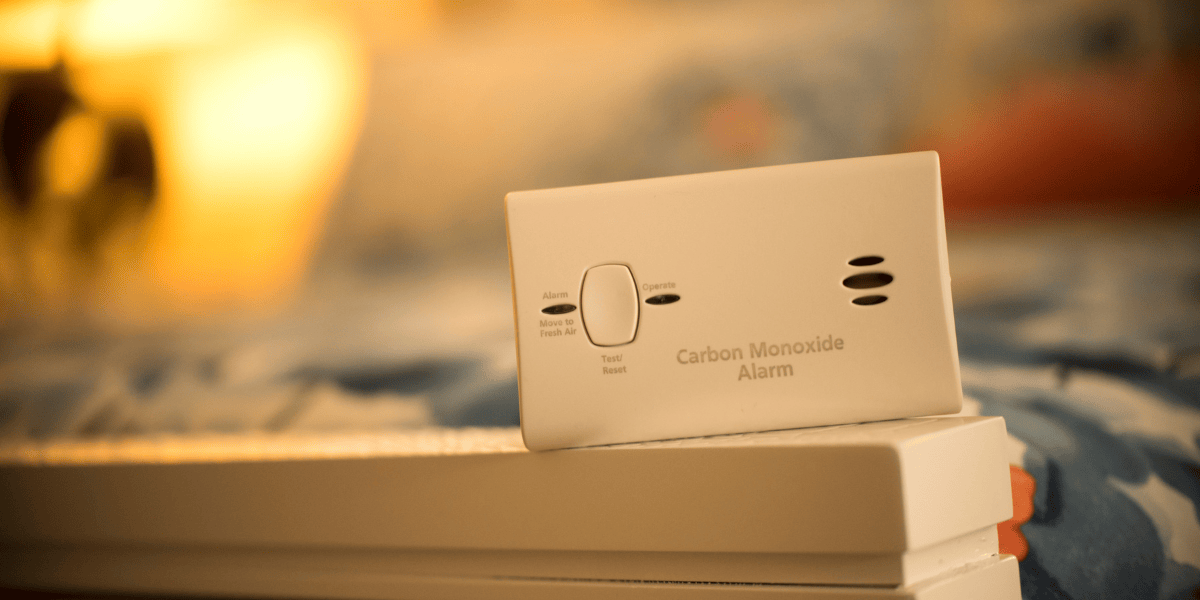
Carbon monoxide detectors are essential to have in every home, but they’re only part of the solution.
Detectors alert you after CO reaches dangerous levels. They don’t prevent leaks, diagnose equipment issues, or fix ventilation problems. Relying on detectors alone is like waiting for a smoke alarm to go off instead of maintaining your electrical system.
Preventative care focuses on stopping problems before they become emergencies.
A professional HVAC safety inspection goes beyond a basic system check. It evaluates how safely your heating equipment operates and whether carbon monoxide is being properly vented out of your home.
During a professional safety check, trained technicians will:
These inspections are especially important for older systems, homes with gas appliances, or properties that haven’t had recent maintenance.
Many carbon monoxide issues stem from systems that haven’t been serviced regularly. Over time, parts wear down, airflow becomes restricted, and small defects turn into safety concerns.
Routine preventative maintenance helps by:
This is one of the biggest reasons winter maintenance is so critical—not just for comfort, but for safety.
In addition to professional inspections, homeowners can reduce CO risk by:
These steps work best when combined with professional system checks.
At Vital Air Services, safety is never an afterthought. Our team understands the unique demands Atlanta’s climate places on heating systems, and we take the time to thoroughly inspect equipment, not rush through appointments.
With more than 750 five-star reviews, homeowners trust Vital Air because we:
Whether it’s part of a routine maintenance visit or a specific safety concern, our technicians are trained to identify potential carbon monoxide risks before they become dangerous.
Carbon monoxide risks aren’t always obvious, but they are preventable. Winter is the most important time to make sure your heating system is operating safely and efficiently.
If it’s been a while since your system was inspected, or if you’ve noticed any warning signs, now is the time to act.
Contact Vital Air Services today to schedule a professional heating and carbon monoxide safety check.
It’s a simple step that can make a major difference in keeping your home safe, comfortable, and worry-free all winter long.